


13 countries
We went on holiday from the USA to St Maarten/St Martin, the island which is half French and half Dutch. Double the experience of languages, food and culture. A chance to keep up my French. But learn another language.
I shall look at languages, food, and landmarks and religion.
LEARN LANGUAGES
Language[edit]
Spanish (64%), French (25%), English (14%), Dutch, Haitian Creole, and Papiamento are the predominant official languages of various countries in the region.
( Although a handful of unique creole languages or dialects can also be found in virtually every Caribbean country. Other languages such as Caribbean Hindustani, Chinese, Javanese, Arabic, Hmong, Amerindian languages, other African languages, other European languages, and other Indian languages can also be found.)
FAVOURITE FOOD
Favourite or national dishes[edit]
 |


- Anguilla – rice, peas and fish
- Antigua and Barbuda – fungee and pepperpot
- Bahamas – Guava duff, Conch Salad, Peas n' Rice, and Conch Fritters
- Barbados – cou-cou and flying fish
- Belize – rice and beans, stew chicken with potato salad ; white rice, stew beans and fry fish with cole slaw
- British Virgin Islands – fish and fungee
- Cayman Islands – turtle stew, turtle steak, grouper
- Colombian Caribbean – rice with coconut milk, arroz con pollo, sancocho, Arab cuisine (due to the large Arab population)
- Cuba – platillo Moros y Cristianos, ropa vieja, lechon, maduros, ajiaco
- Dominica – mountain chicken, rice and peas, dumplings, saltfish, dashin, bakes (fried dumplings), coconut confiture, curry goat, cassava farine, oxtail
- Dominican Republic – arroz con pollo with stewed red kidney beans, pan fried or braised beef, salad/ ensalada de coditos, pastelitos, mangú, sancocho, locrio
- Grenada – oil down, Roti and rice & chicken
- Guyana – roti and curry, pepperpot, cookup rice, methem, pholourie
- Haiti – griot (fried pork) served with du riz a pois or diri ak pwa (rice and beans)
- Jamaica – ackee and saltfish, callaloo, jerk chicken, curry chicken
- Montserrat – Goat water
- Puerto Rico – yellow rice with green pigeon peas, saltfish stew, roasted pork shoulder, chicken fricassée, mofongo, tripe soup, alcapurria, coconut custard, rice pudding, guava turnovers, Mallorca bread
- Saint Kitts and Nevis – goat water, coconut dumplings, spicy plantain, saltfish, breadfruit
- Saint Lucia – callaloo, dal roti, dried and salted cod, green bananas, rice and beans
- Saint Vincent and the Grenadines – roasted breadfruit and fried jackfish
- Suriname – brown beans and rice, roti and curry, peanut soup, battered fried plantain with peanut sauce, nasi goreng, moksie alesi, bara, pom
- Trinidad and Tobago – doubles, curry with roti or dal bhat, aloo pie, phulourie, callaloo, bake and shark, curry crab and dumpling
- United States Virgin Islands – stewed goat, oxtail or beef, seafood, callaloo, fungee
Goat water is a goat stew.
LANDMARKS & ACTIVITIES
one.
Countries and territories[edit]
Cuba, Jamaica, Hispaniola (shared by the Dominican Republic and Haiti) and Puerto Rico, often grouped as the Greater Antilles, are by far the largest islands in the area and the most visited by travellers. The Caribbean also includes the Lucayan Archipelago to the north, which is comprised of the Bahamas and the Turks and Caicos Islands, and the Lesser Antilles, a group of much smaller islands to the east.

| Bahamas Archipelago of islands and cays surrounded by coral reefs off the coasts of Florida. One of them was the first piece of American soil Columbus put his foot on. |
| Bermuda (Outside of image map, see dynamic map) Small and wealthy British overseas territory in the Atlantic, known for a type of shorts and the supposedly mysterious triangle. |
| Cayman Islands Known for offshore banking, and a great diving destination. |
| Cuba The largest Caribbean island-nation, marked by decades of socialist government. |
| Jamaica An island of tall mountains, birthplace of reggae and a Commonwealth Realm. |
| Haiti Founded by former slaves who won their freedom and then independence against the might of revolutionary and Napoleonic France. Today, having struggled against conflicts and natural disasters, Haiti has relative political stability and security, and is again becoming attractive for those seeking a road less traveled. |
| Dominican Republic A fast-growing economy with some of the oldest colonial cities in the hemisphere. |
| Puerto Rico A United States territory with bustling nightlife, as well as great inland sceneries. |
| Lesser Antilles (Anguilla, Antigua and Barbuda, British Virgin Islands, Guadeloupe, Montserrat, Saba, Saint-Barthélemy, Saint Martin, Saint Kitts and Nevis, Sint Eustatius, U.S. Virgin Islands, Barbados, Dominica, Martinique, Saint Lucia, Saint Vincent and the Grenadines, Grenada, Trinidad and Tobago) Small islands facing the open Atlantic. Many of them are dependencies of other countries. |
| Leeward Antilles (Aruba, Curaçao, Bonaire) Also known as the ABC islands, these islands off the coast of Venezuela are associated with the Netherlands. |
| Turks and Caicos Islands Fabulous beaches and offshore banking. |
Other areas include:
- Belize, French Guiana, Guyana and Suriname are often considered part of the Caribbean as they share a common cultural heritage.
Religion[edit]


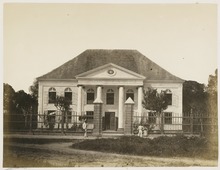

Christianity is the predominant religion in the Caribbean (84.7%).[76] Other religions in the region are Hinduism, Islam, Judaism, Rastafari, Buddhism, Chinese folk religion (incl. Taoism and Confucianism), Baháʼí, Jainism, Sikhism, Kebatinan, Traditional African religions, Yoruba (incl. Trinidad Orisha), Afro-American religions, (incl. Santería, Palo, Umbanda, Brujería, Hoodoo, Candomblé, Quimbanda, Orisha, Xangô de Recife, Xangô do Nordeste, Comfa, Espiritismo, Santo Daime, Obeah, Candomblé, Abakuá, Kumina, Winti, Sanse, Cuban Vodú, Dominican Vudú, Louisiana Voodoo, Haitian Vodou, and Vodun).
Useful Websites
https://www.worldatlas.com/articles/caribbean-countries.html


